20 Oct 2026
Tracing Capital Allocation Patterns Among Integrated Gaming Operators in Emerging Regulatory Landscapes
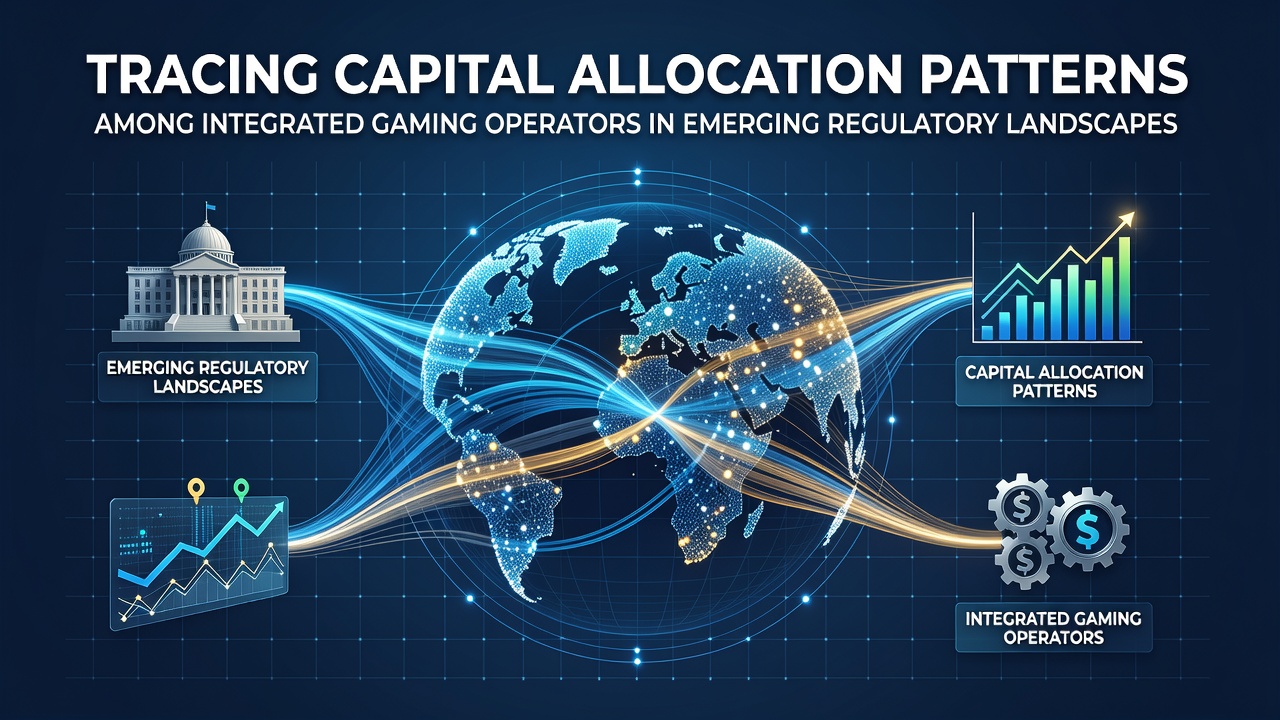
Integrated gaming operators manage capital across sports betting, casino floors, and online platforms while adapting to shifting regulations in multiple jurisdictions. Patterns emerge when these companies direct funds toward technology upgrades, market expansion, and compliance infrastructure rather than traditional brick-and-mortar builds. Data from industry filings shows consistent increases in digital infrastructure spending as new licensing frameworks take shape in regions previously closed to commercial gaming.
Core Drivers Behind Allocation Decisions
Regulatory changes often trigger reallocation when governments introduce online licensing rounds or tax adjustments on gross gaming revenue. Operators respond by shifting portions of their budgets into software development and payment processing systems that meet local data security standards. According to the American Gaming Association, capital expenditures on interactive platforms rose steadily between 2023 and 2025 as U.S. states expanded legal frameworks. Those who've studied these filings note that integrated groups frequently reserve 30 to 40 percent of annual investment budgets for compliance-related technology when entering markets with strict responsible gaming mandates.
Emerging landscapes in Latin America and parts of Southeast Asia present different pressures. Local rules may require physical presence or joint ventures with domestic entities, prompting operators to allocate funds toward partnership structures and local hiring rather than pure digital rollouts. Research from the University of Nevada's International Gaming Institute indicates that companies operating across both regulated and newly opening markets maintain separate capital pools for each category to isolate regulatory risk.
Technology and Infrastructure Spending Patterns
Integrated operators direct significant capital toward unified platforms that handle multiple verticals under one account system. This approach reduces duplication across sports betting engines, casino game libraries, and customer verification modules. Spending data reveals heavier investment in cloud-based solutions that allow rapid scaling when new jurisdictions open, while legacy systems receive maintenance budgets only until migration completes. In October 2026 several operators announced phased rollouts of centralized data centers designed to serve both European and North American operations under updated cross-border data rules.
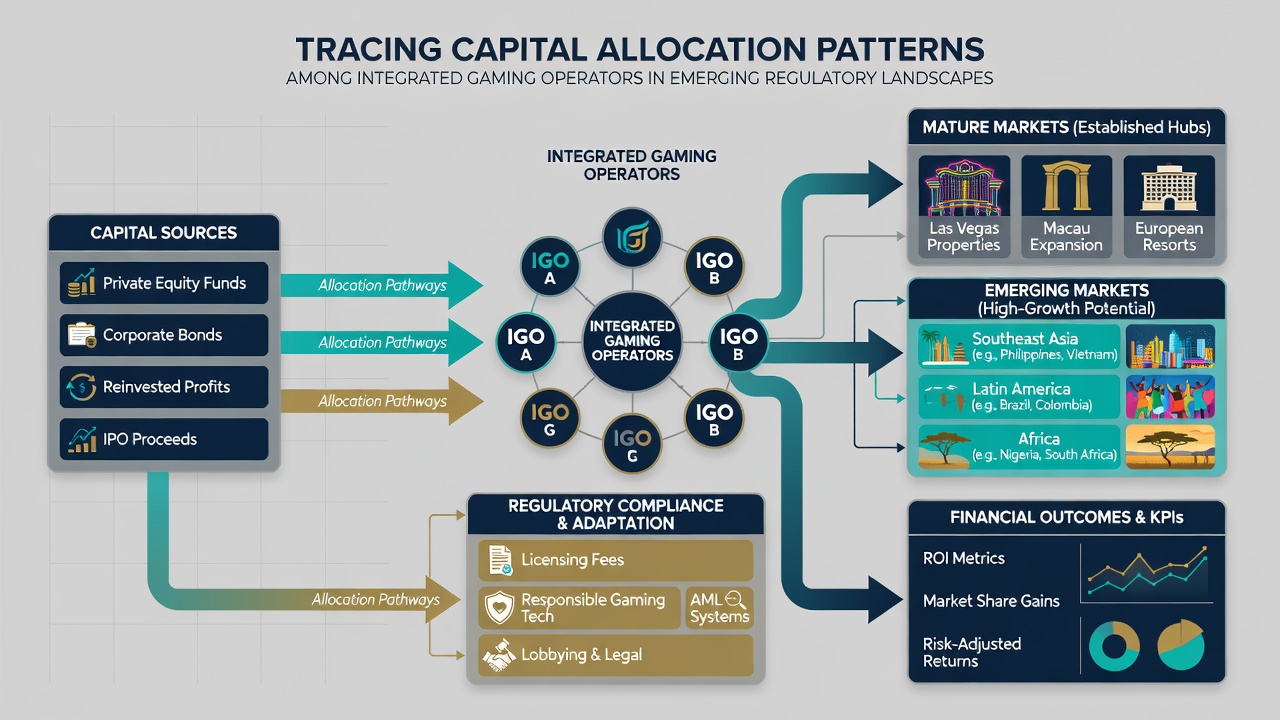
Payment processing infrastructure receives particular attention because many new regulatory frameworks mandate local banking partnerships or specific transaction monitoring tools. Capital flows here include both upfront licensing fees and ongoing operational reserves. Observers tracking quarterly reports find that operators with integrated offerings tend to front-load these investments during the first two years of market entry before adjusting based on actual player volumes.
Regional Allocation Differences
North American operators show stronger emphasis on marketing and player acquisition budgets once regulatory approval arrives, whereas European groups allocate more toward ongoing responsible gaming tools and tax compliance systems. In Australia and New Zealand, recent licensing reviews have prompted increased spending on land-based venue modernization alongside digital channels. Canadian provincial regulators have introduced frameworks that encourage operators to commit capital to local economic development projects as part of licensing conditions, creating distinct allocation lines not seen in other markets.
Those tracking balance sheets across these regions report that integrated operators maintain higher liquidity reserves when operating in jurisdictions with frequent policy reviews. This practice allows quick redirection if tax rates change or new responsible gaming requirements emerge mid-year. Industry filings further show that merger and acquisition activity serves as another capital allocation route, particularly when acquiring existing licenses reduces time-to-market compared with new applications.
Measuring Outcomes and Adjusting Strategies
Operators evaluate capital allocation effectiveness through metrics such as revenue per active user and regulatory compliance scores rather than traditional return on investment alone. Adjustments occur quarterly when performance data indicates underperforming markets. Patterns indicate that successful operators maintain flexibility clauses in major technology contracts, allowing reallocation if regulatory timelines shift. Government reports from multiple jurisdictions confirm that companies demonstrating clear capital deployment plans tied to compliance milestones receive faster licensing approvals in several emerging markets.
Conclusion
Capital allocation among integrated gaming operators continues to evolve alongside regulatory developments across multiple continents. Patterns show consistent prioritization of technology infrastructure, compliance systems, and market-specific partnerships as new frameworks open. Data from filings and regulatory filings reveals that operators balance short-term entry costs against longer-term operational flexibility when deciding where and how much capital to deploy. These approaches reflect responses to concrete regulatory requirements rather than speculative positioning.