17 Nov 2026
Tracing Player Retention Tactics Through Integrated Loyalty Systems at Athletic Wagering and Gaming Venues
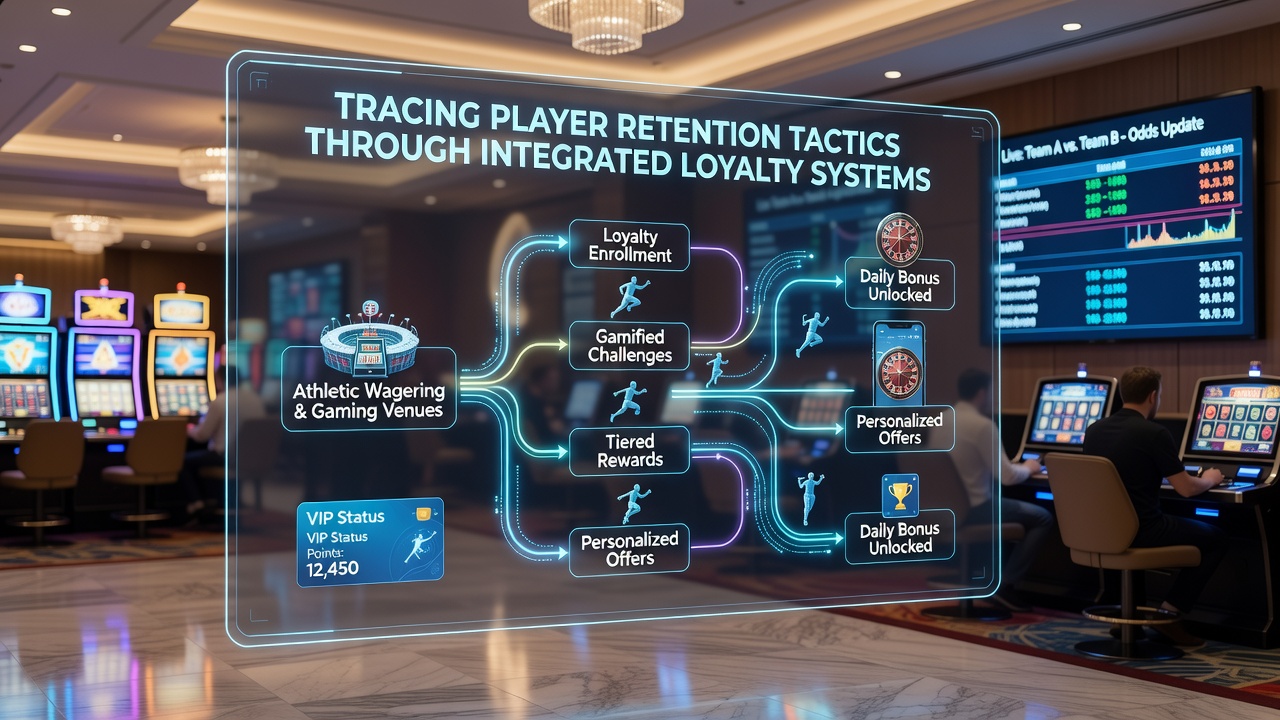
Integrated loyalty systems at athletic wagering and gaming venues combine sports betting activity with casino play to track and reward consistent participation, and these platforms collect data on betting patterns, game preferences, and session lengths to adjust reward structures accordingly. Operators deploy tiered membership levels where participants earn points from wagers placed on athletic events alongside spins on slot machines or hands at table games, which creates a unified profile that operators use to identify high-value users and deliver targeted incentives.
Core Mechanics of Unified Point Systems
Points accrue through a formula that assigns values to different activities, such as one point per dollar wagered on sports markets and higher multipliers for certain casino table games, while operators adjust these rates seasonally to align with major athletic calendars like football playoffs or tennis grand slams. Redemption options include free bets, casino credits, hotel stays, or merchandise, and data platforms feed real-time information into these systems so that a player who shifts from sports betting to roulette mid-session receives immediate offers calibrated to their updated behavior profile. Research from the American Gaming Association shows that venues integrating these mechanics report higher repeat visit rates compared to those maintaining separate programs for each vertical.
Data Integration Across Betting and Gaming Floors
Venues link sportsbooks and casino floors through centralized customer relationship management software that merges transaction logs from kiosks, mobile apps, and physical tables into single player accounts, which allows staff to monitor cross-category engagement without manual reconciliation. Algorithms flag patterns such as a decline in sports betting volume paired with increased slot play, prompting automated delivery of bonus offers designed to restore balance across both activities. Observers note that this approach reduces churn by addressing shifts in preference before they lead to full disengagement, and figures from industry reports indicate measurable lifts in overall handle when loyalty engines operate on unified datasets rather than siloed ones.
Targeted Retention Campaigns in Practice
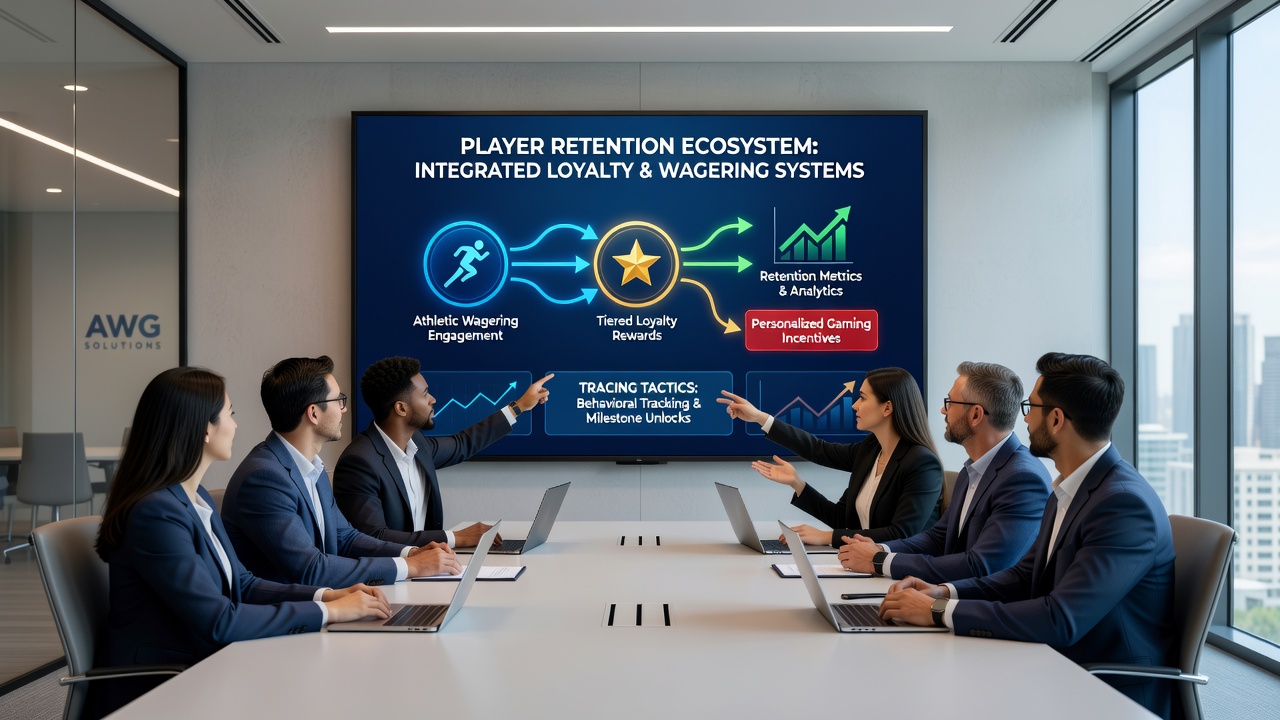
Operators run segmented campaigns where participants who reach certain point thresholds receive personalized messages via app notifications or email, and these messages often bundle a sports betting credit with casino free play to encourage continued movement between the two environments. In one documented implementation at a multi-state operator, the system identified players whose loyalty activity dropped below average thresholds and responded with time-limited double-point events on midweek sports markets combined with casino cashback, which restored activity levels within two weeks for a measurable portion of the targeted group. Such tactics rely on continuous data feeds rather than static rules, allowing adjustments based on real-time performance metrics collected across venues.
Regulatory and Technological Context Entering Late 2026
By November 2026, several jurisdictions had updated technical standards requiring greater transparency in how loyalty algorithms calculate and distribute rewards, prompting operators to publish simplified explanations of point values and redemption rates within their apps and websites. These changes coincided with broader adoption of cloud-based platforms that synchronize data across physical and online channels, enabling venues to maintain consistent loyalty experiences whether a participant places a wager at a stadium sportsbook or plays remotely via mobile. Reports compiled by the Australasian Gaming Council highlight that venues adopting these synchronized systems saw sustained retention improvements even as overall market participation fluctuated with economic conditions.
Conclusion
Integrated loyalty systems continue to evolve as operators refine the connections between athletic wagering data and casino activity records, producing retention tactics that respond directly to observed player behavior across both domains. The emphasis remains on unified tracking, algorithmic targeting, and regulatory compliance that together shape how venues maintain engagement without relying on isolated promotional efforts in either sports betting or gaming segments.