3 Nov 2026
UK Budget Changes Prompt Licensing Reviews Among High Street Gaming Operators
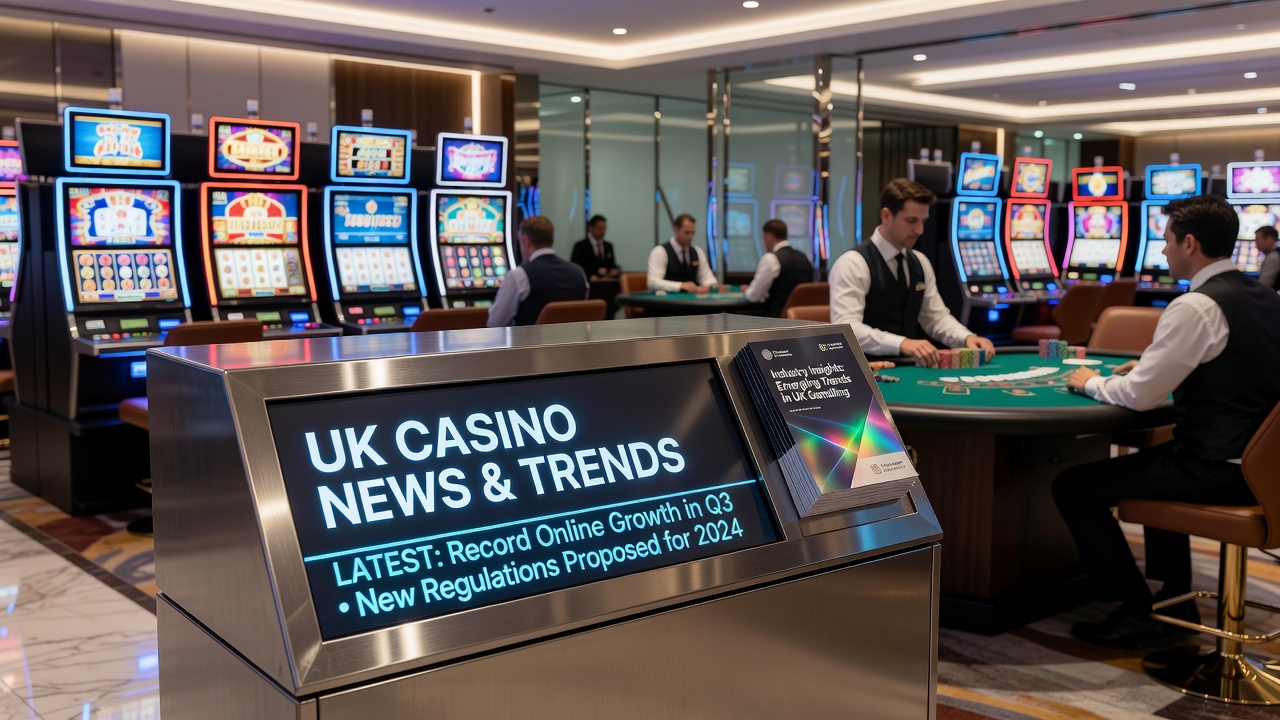
Chancellor John Healey delivered the first Budget of the new administration on October 28, 2026, and the measures included an increase in Machine Games Duty from 20% to 25% on slot machine takings with effect from April 2027 together with the withdrawal of business rates discounts previously available to adult gaming centres and vape shops.
Those adjustments formed part of a broader package intended to support high street regeneration, yet records maintained by the Gambling Commission show that several hundred venues operated by major groups such as Merkur and Admiral already hold bingo licences in addition to their adult gaming centre authorisations. Observers note that this dual licensing structure allows operators to claim that their premises fall under bingo rules rather than the stricter adult gaming centre regime when business rates are assessed.
Scope of the Duty Increase
The rise in Machine Games Duty applies directly to takings from Category B3 slot machines, which remain the dominant revenue source in many high street locations. Treasury officials confirmed the new rate will take effect in the 2027-28 financial year, giving operators roughly five months from the announcement date to adjust pricing structures and cash-flow forecasts. Data released alongside the Budget indicated that the duty change is expected to generate several hundred million pounds in additional receipts annually once fully implemented.
Removal of Business Rates Relief
Alongside the duty adjustment the Chancellor ended the temporary business rates discount that adult gaming centres and vape shops had received since the pandemic period. Local authorities across England will now apply standard rateable values to these premises from April 2027 onward, removing the 75% relief that had been in place. Council finance teams have begun preliminary valuations, and early modelling suggests many venues could face annual bill increases ranging from £15,000 to £40,000 depending on floor space and location.
Bingo Licence Arrangements Under Review
Gambling Commission licensing records reveal that hundreds of sites operated by Merkur, Admiral and similar companies list both adult gaming centre and bingo premises licences at the same address. Bingo premises rules permit a higher number of Category B3 machines per venue and carry different planning and rates classifications. Because the Budget announcement focused specifically on adult gaming centres, venues that can demonstrate primary operation under a bingo licence may retain eligibility for existing rates treatment at least in the short term.
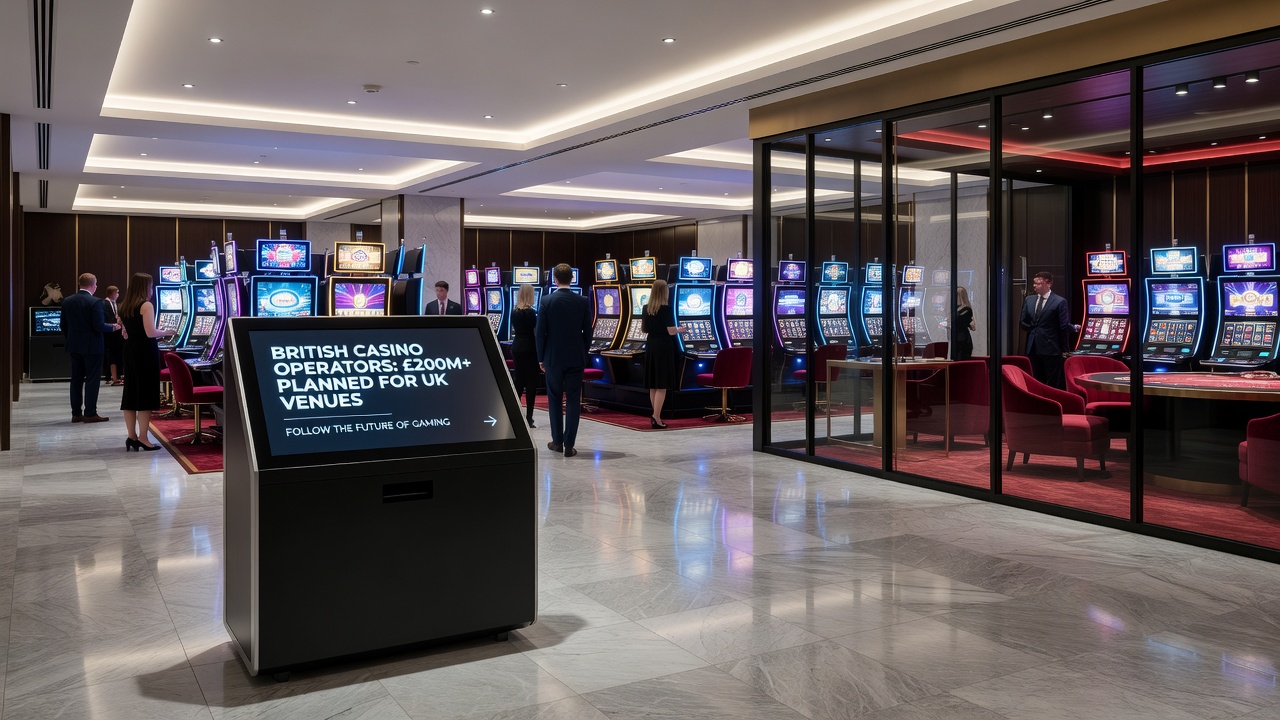
Local authority revenues teams have started cross-checking premises records with Gambling Commission data to determine which sites qualify for continued relief. In several cases operators have submitted updated floor plans and machine layouts showing bingo-branded areas that occupy a defined portion of the premises. These submissions are now under review by billing authorities in London, Birmingham, Manchester and other major cities where the affected venues are concentrated.
Operator Responses and Licensing Records
Spokespeople for Merkur and Admiral have stated that their licensing arrangements comply fully with current Gambling Commission requirements and that any rates classification will follow the legal status of each premises. Industry analysts tracking licence registers note that the number of dual-licensed sites has grown steadily since 2022, coinciding with earlier regulatory reforms that expanded machine entitlements for bingo premises. Figures compiled from public registers show more than 300 locations currently hold both categories of licence, although not all operate large numbers of slot machines.
Planning officers in some boroughs have begun requesting additional information on the proportion of floor space dedicated to bingo activity versus gaming machine play. Where bingo activity falls below defined thresholds, authorities retain the option to reclassify premises for rates purposes, but such decisions typically require formal appeals processes that can extend into 2028.
Regulatory Context in Late 2026
By mid-November 2026 the Gambling Commission had not issued new guidance on the interaction between the Budget measures and existing dual licences. Operators continue to file routine returns under both licence types while monitoring correspondence from local billing authorities. Trade bodies representing the sector have scheduled meetings with Treasury officials to clarify whether further legislation will be required to close any perceived gap between the policy intention and current licensing frameworks.
Conclusion
The October 2026 Budget introduced two concrete fiscal changes affecting high street gaming venues: an increase in Machine Games Duty and the withdrawal of business rates discounts. At the same time, existing dual licensing arrangements documented in Gambling Commission records have created a pathway that some operators may use to maintain previous rates treatment. Local authorities and regulators are now engaged in verification work that will determine the practical impact of these measures from April 2027 onward, with further administrative steps expected throughout 2027.